
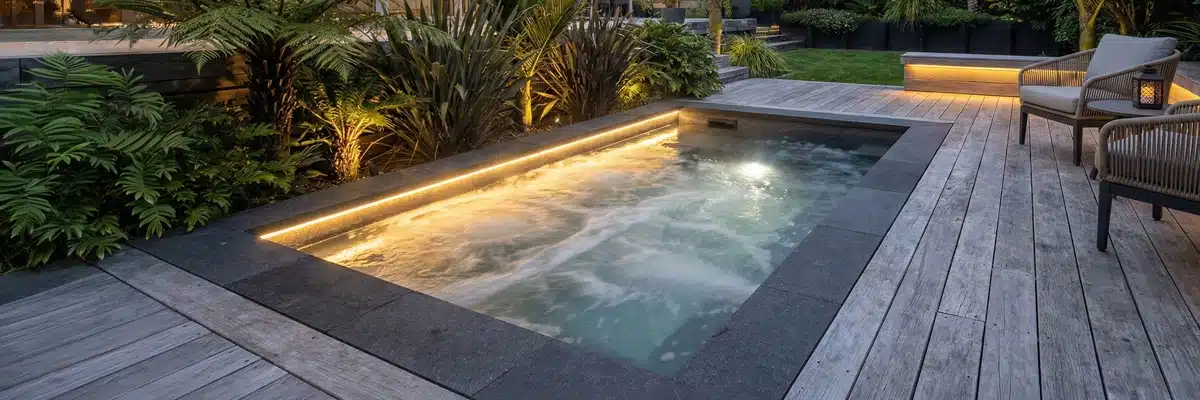
Whether it’s a humid summer evening or a crisp winter night, a backyard spa transforms how you use your outdoor space. Many homeowners start looking for spa pools in Auckland to cool off, relax after work, or enjoy some quiet time at home instead of going to busy public pools. People often compare portable units, swim spas, and built-in concrete options as they plan for the new year.
This guide is not a sales pitch. It is a practical buyer’s guide that walks you through the real choices, the features that matter in local conditions, and when a custom concrete spa can be the smarter long-term move. We will also be clear about where we work, so you can take the right next step.
When people search for spa pools in Auckland, they are usually planning ahead. Some want a simple, plug-in spa they can set up quickly before summer. Others are thinking about a swim spa for exercise or a built-in spa as part of a bigger outdoor project. Many just want a private option they can use anytime, instead of relying on public pools.
You might be:
This guide focuses on buying and choosing household spas. It is not about day spas or hotel facilities.
There are three main types of spa pools. Each one fits different households and properties. Here is a quick overview to help you decide.
Any of these options can work well. The best choice depends on how you plan to use the spa and what your property allows.
Once you know the type you want, the next step is to check the features that affect daily use. Auckland’s changeable weather, humid summers, and mild winters shape what matters most. With spa pools in Auckland, comfort and running costs are often as important as the first purchase price.
Size involves more than capacity; it reflects typical usage. Families may envision large gatherings, but often use the spa for quiet evenings. Couples may find a small unit insufficient if they frequently host guests.
Here is what we often suggest people think through:
Spas with two or three seats are usually good for couples or small spaces. Four to six-seaters work well for families or people who often have friends over. Bench seats give you more flexible seating. Loungers are comfortable but take up more space and may not suit everyone, especially if you are shorter. Steps and cool-down seats add safety, which is important for kids and older adults.
Before you decide, measure the space for the spa and check how it will be delivered. Sometimes people choose a spa they love, only to find out the delivery truck cannot get through a narrow gate or up a steep driveway. This can mean extra crane costs or having to pick a smaller spa.
Many people in Auckland look for wellness benefits, especially with higher-end spas. Here, the soaking experience is more important than how the spa looks in a brochure. If you stand all day at work, have long commutes, or play sports, you might want jets that target specific areas instead of just strong bubbles.
Jet types vary by model, but they usually include a mix of:
Adjustable pressure makes a big difference. What feels gentle for one person can feel too strong for another. If your household has mixed ages and preferences, aim for a layout that allows different zones to run at different pressures.
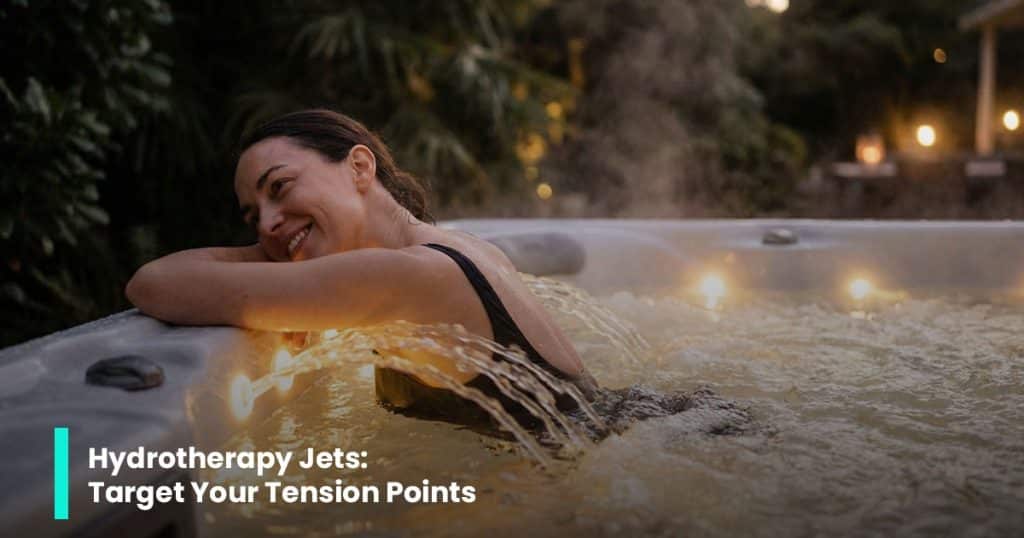
People looking for luxury spa pools in Auckland often care most about these features. The comfort of the seats, where the jets are placed, and how quiet the system is can make the difference between using the spa every day or losing interest over time.
Maintenance is not difficult, but it does need to be done regularly. People who have enjoyed their spa for years are usually the ones who plan for upkeep from the start, instead of leaving it until later.
Basic care usually includes:
Newer spa systems can make maintenance easier. Ozone and UV filters help keep the water clear for longer, and better circulation means you need fewer chemicals. Still, no system is completely hands-off, so it is good to be realistic.
Safety is important too. In New Zealand, spas need lockable covers to keep children safe and hold in heat. You should also think about fencing, slip-resistant paths, and making sure a licensed professional does the electrical work. If your yard is open, consider wind protection and privacy, since Auckland winds can make a spa feel cold even in summer.
A big decision point is whether you want a ready-made product or something built into the property. Buyers often start with price. Yet over time, lifestyle fit and long-term value tend to drive satisfaction more than the initial spend.
Portable spas work well for many Auckland homes because they are easy to get and set up quickly. Custom concrete spas are better for people planning a permanent outdoor upgrade or who want the spa to fit in smoothly with a pool or deck.
Portable spas can be a good choice if you know the pros and cons.
Pros
Cons
We often suggest portable spas for households that want a quick result, or who are not sure if they will stay in the same home long term. They also work well on rental-friendly properties where permanent building is less realistic.
A custom concrete spa pool is built on site to suit the layout, the section, and the household. It can be integrated with a full-size pool or designed as a standalone feature with your chosen depth, seating, and finish. Unlike portable shells, concrete allows shapes and sizes that follow your space rather than fighting it.
Concrete spas often make sense when:
It is not about one option being better for everyone. It is about what fits your needs. A portable spa can be perfect for some households, while a custom concrete spa is ideal for those wanting a long-term feature for their outdoor lifestyle.
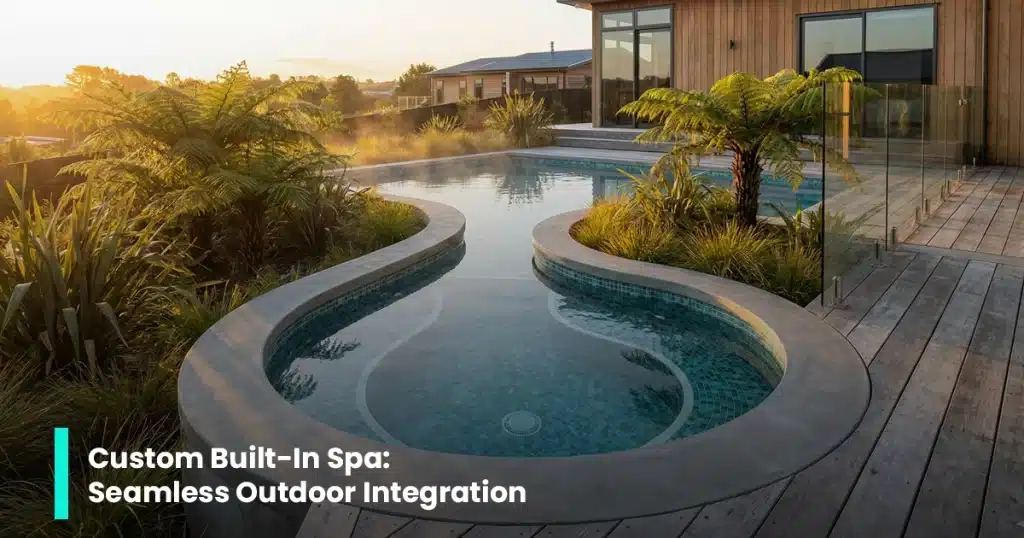
We know this guide attracts Auckland searches, so it is important to be clear about what we do. LuxeOutdoors focuses on custom concrete pool and spa projects in Hamilton, Cambridge, and the wider Waikato. We do not install portable spas in Auckland, and we do not take on one-off spa builds there. Still, many readers across the north use the same decision steps, so this guidance remains useful.
When we build a concrete spa or pool in Waikato, we treat it as part of the whole outdoor space. That approach avoids common issues such as awkward placement, poor drainage, or finishes that clash with the rest of the yard.
Our work usually covers:
If you are in Hamilton or Cambridge and want a concrete spa designed for your home, we can visit your site and help you plan. If you are in Auckland, use this guide to find a trusted local supplier for a portable or swim spa, or talk to your architect if you want to include a concrete spa in a bigger project.
Start with how you will use the spa most of the time. Then compare size, seating layout, jet zones, insulation, and running costs. Build quality and after-sales support matter too, because you want parts and service that are easy to access in New Zealand.
Compact two to four-seater models often suit tight sections. Look for well-insulated shells, strong covers, and a layout that does not waste space on oversized steps. Measure access carefully, and plan for privacy and wind screening so the spa feels comfortable year-round.
Yes, you can. Where you put the spa matters a lot. Many people create a private retreat by placing the spa out of sight and adding plants, screens, or a pergola for shelter. Soft lighting and a clear path also make the area feel safe and welcoming at night.
No, we do not. LuxeOutdoors works on custom concrete pool and spa projects in Hamilton, Cambridge, and the wider Waikato. If you are in Auckland, we recommend using this guide to find a trusted local spa pool supplier or talking to a designer about adding a concrete spa to a full renovation.
Buying a spa is not just a summer choice. It is about how you want your home to feel for years to come. Searches for spa pools in Auckland go up in December because people want comfort, relief from the heat, and a way to relax after busy days. Portable spas are good for quick results and flexible placement. Swim spas are great for families who want both exercise and fun. Concrete spas are best for those who want a built-in feature that matches the property and lasts.
If you are deciding between options, focus on the basics. Consider how you will really use the spa, how comfortable the seating is, how much maintenance it needs, and what it will cost to run. Pick the type that fits your space and your plans. The best spa is the one you will enjoy on a quiet Tuesday night, not just when you have guests.